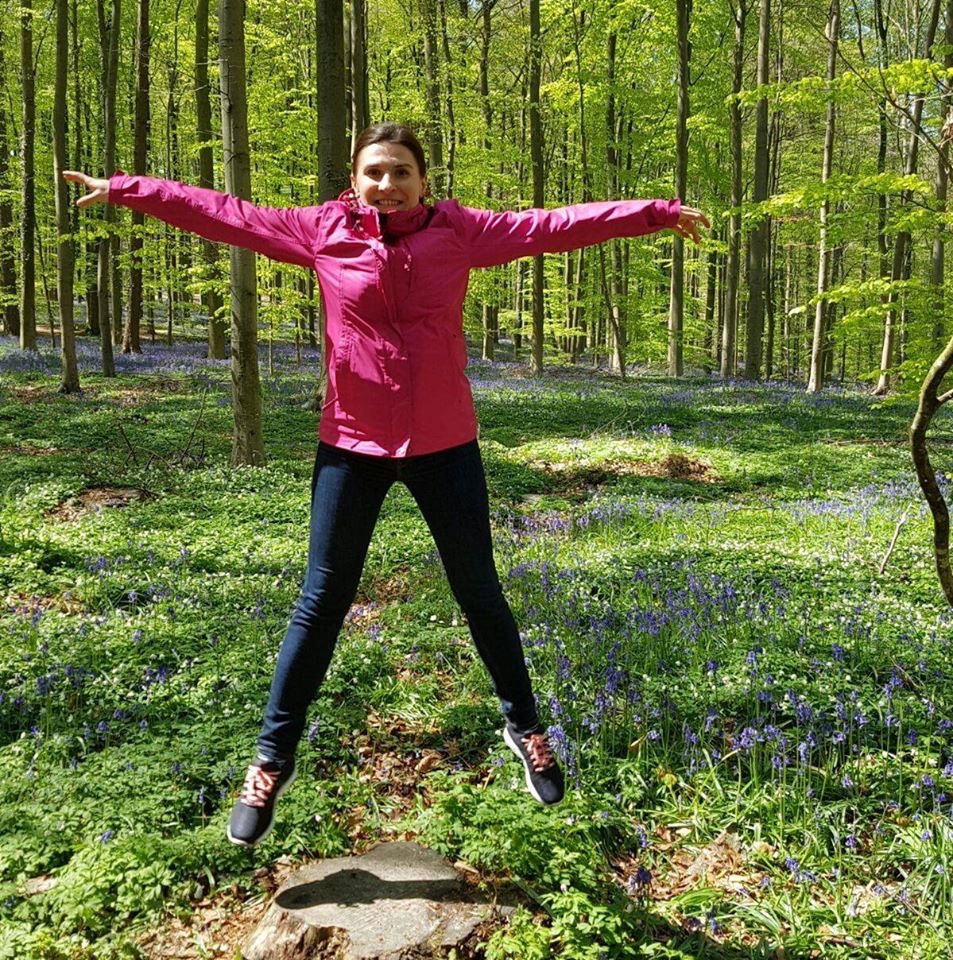
Gosia
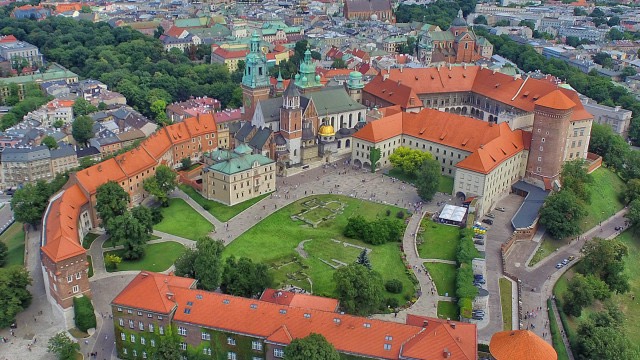
Gosia is Polish, from Kraków.
Gosia jest Polką, z Krakowa.

6 August 2016 · 6 sierpnia 2016
Married for … Po ślubie od …
About us · O nas
Gosia is Polish, from Kraków.
Gosia jest Polką, z Krakowa.
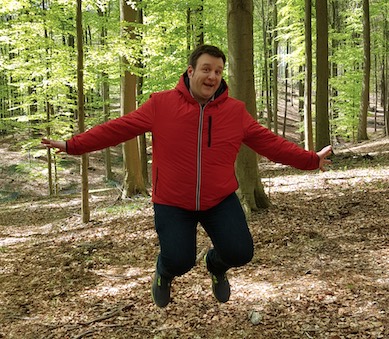
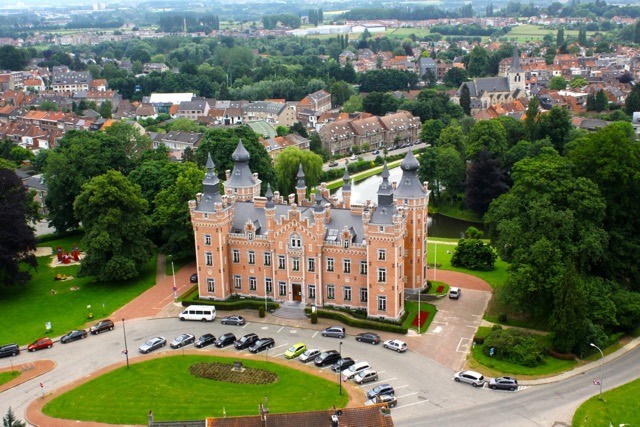
Tim is Belgian, Flemish, from Dilbeek.
Tim jest Belgiem, Flamandem i pochodzi z Dilbeek.
We met in November 2012 thanks to our common friends. After almost three years together, we decided to get married, surrounded by our friends and family, and to continue our life together.
Spotkaliśmy się w listopadzie 2012 roku dzięki naszym wspólnym znajomym. Po ponad trzech latach razem pragniemy przypieczętować nasz związek ślubem w gronie rodziny i przyjaciół.
The day · Dzień ślubu
Saturday in Kraków-Skotniki and Łączany. Sobota w Krakowie-Skotnikach i w Łączanach.
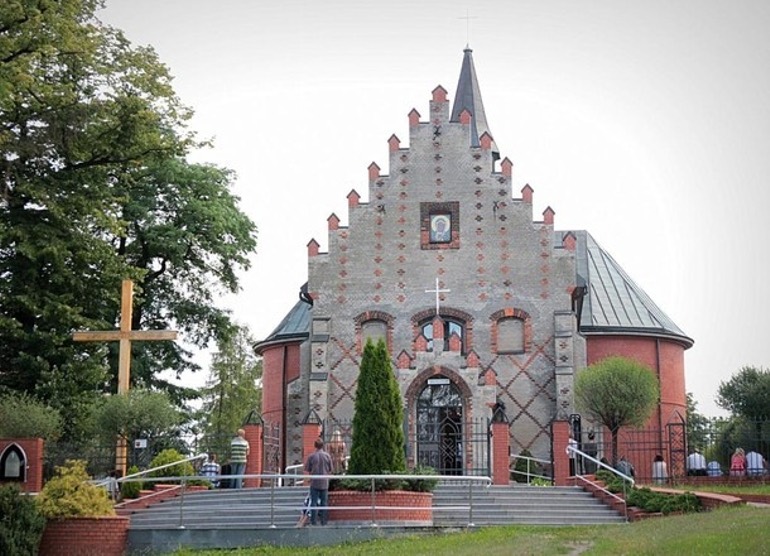
We got married in the Church of Our Lady of the Rosary (Kościół Matki Bożej Różańcowej) in Kraków-Skotniki, the parish Gosia comes from.
Nasz ślub odbył się o godzinie 14:30 w Kościele pod wezwaniem Matki Bożej Różańcowej w Krakowie-Skotnikach.
ul. Skotnicka 139A, 30-394 Kraków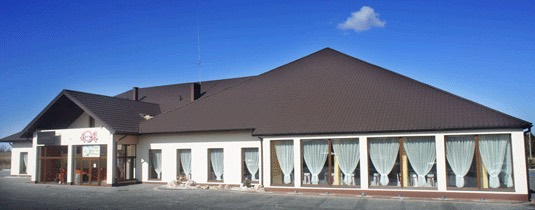
The wedding party took place in the wedding hall Grand 404 in Łączany, a 30-minute drive from the church and 35 km from the centre of Kraków.
Nasze przyjęcie weselne rozpoczęło się o godz. 17:30 w sali weselno-bankietowej Grand 404 w Łączanach.
Centrum Weselno-Bankietowe GRAND 404, Łączany 404, 34-115 RyczówFor our guests · Dla gości
What we shared with our guests before the wedding. Informacje, które przekazaliśmy gościom przed ślubem.
We provided free buses to drive our guests from the church to the reception. During the night, smaller cars left every hour to drive guests back to the city centre. For guests with their own transport, there was plenty of parking at both the church and the wedding hall.
Zapewniliśmy autokary, które zawiozły gości z kościoła do sali weselnej. Podczas wesela mniejsze busy odjeżdżały co godzinę i odwoziły gości do domu lub hotelu. Miejsca parkingowe były zarówno przy kościele, jak i przy sali weselnej.
For guests from outside Kraków we arranged rooms for the night of the wedding, and the nights before and after, at the wedding venue and at Hotel Ibis Budget (3.5 km and 15 minutes by bus from the centre). For a longer stay in Kraków we recommended:
Essential about Kraków
Kraków is one of the oldest cities in Poland, with lots of historical places and monuments, and plenty of nature to explore just outside the city.
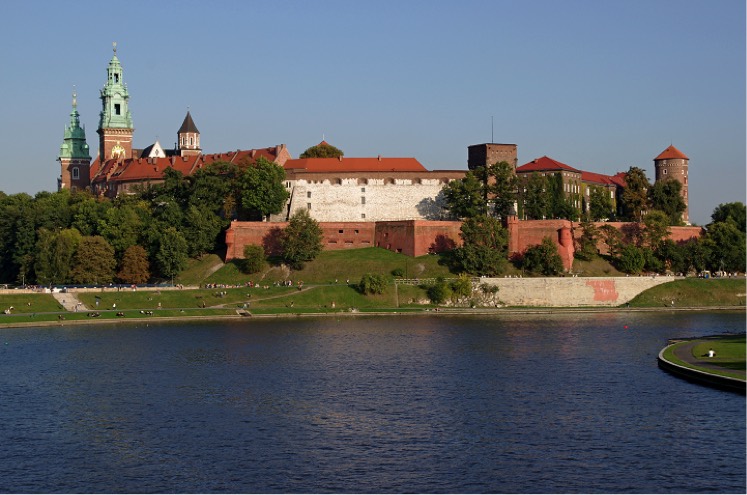
The mecca for visitors and a microcosm of Polish history and culture.
From the 11th century on, Poland’s monarchs lived here in the Royal Castle. They were crowned and buried here, in Wawel Cathedral, where Polish national heroes have also been laid to rest since the 19th century. The place overflows with art treasures, architectural beauty, relics of the past and curiosities, and is full of glory, magic, history and fable.
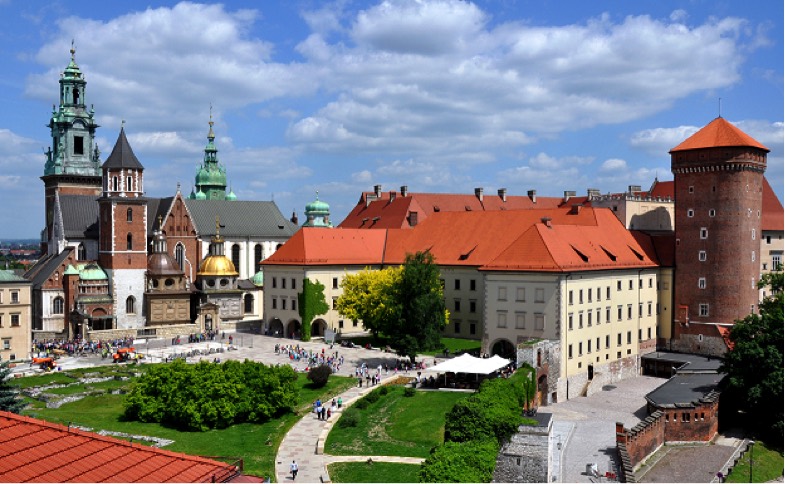
Home to three dynasties of Polish monarchs, with a matchless collection of 16th-century Flemish tapestries.
Its stately halls and exquisite chambers are filled with priceless art, period furniture and rare objects.
Wawel Cathedral houses Poland’s national shrines. Among its 18 chapels are true architectural masterpieces, and the giant Sigismund bell of 1520 ranks among the world’s largest. Most Polish kings are buried here, together with national heroes, poets, saints and bishops. wawel.krakow.pl
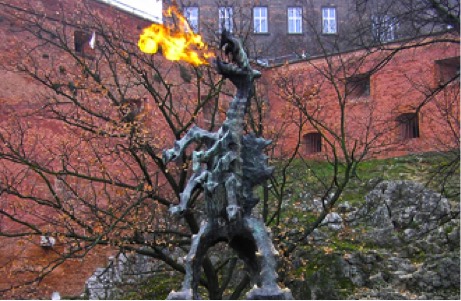
A huge natural cave inside Wawel Hill, the legendary home of a legendary monster.
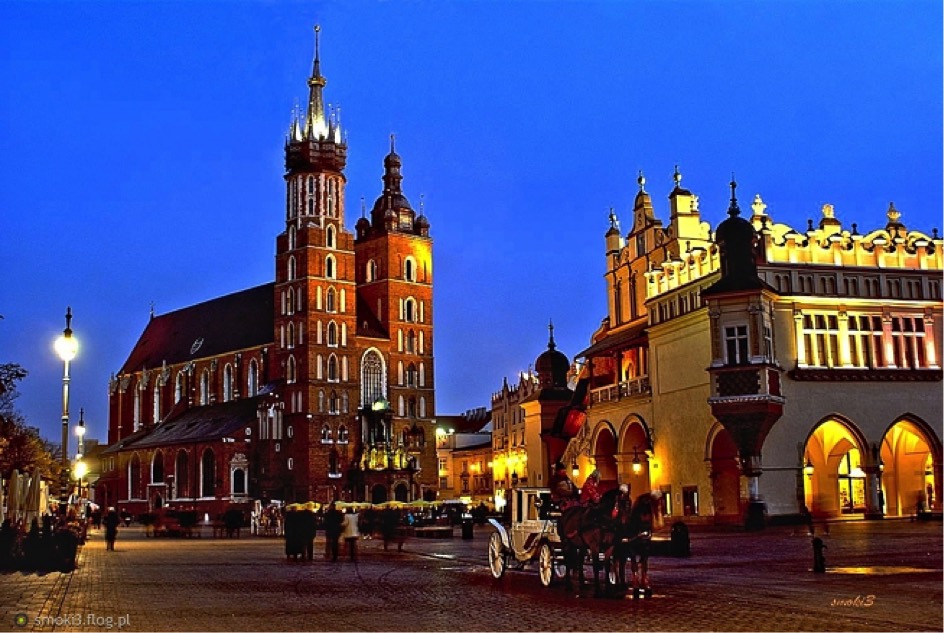
The largest medieval square in Europe and one of the most beautiful plazas in the world.
Rynek Główny has been the hub of the city since the 13th century. Its landmarks include the Renaissance Cloth Hall, the Gothic Town Hall Tower, St Mary’s Basilica and the tiny church of St Adalbert, parts of which date from the 11th century. The square is full of restaurants, cafés and bars in historic cellars: a great place for a night out.
Inside St Mary’s Basilica stands the 13-metre altarpiece by Veit Stoss (Wit Stwosz), the largest Gothic sculpture in the world. Visit around noon, when light floods through the stained-glass windows. Every hour, a trumpeter plays the hejnał from the higher tower to the four corners of the world.
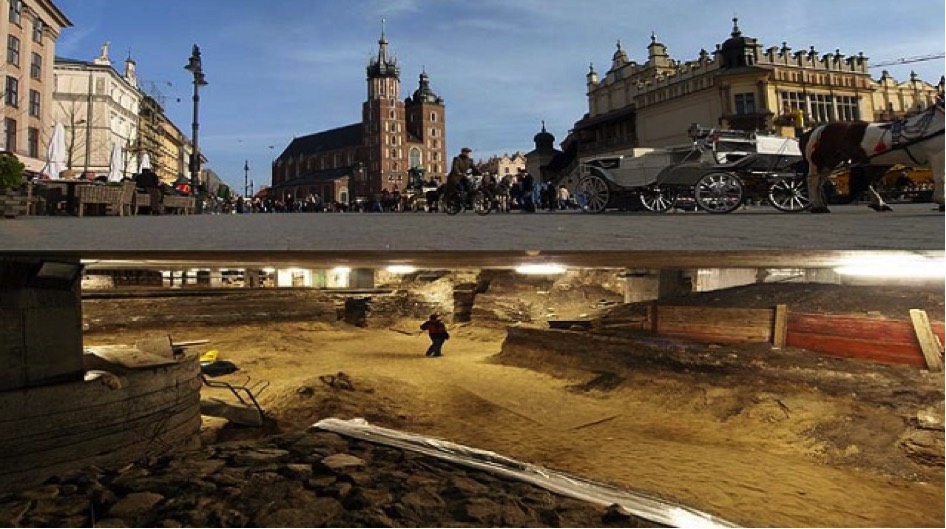
An interactive museum of medieval Kraków, under the Main Market Square.
Archaeological work from 2005 to 2010 uncovered centuries of history beneath the square. Nearly 4,000 m² were turned into a unique underground reserve, showing real objects such as 14th-century coins, decorations and pottery. Museum of Kraków
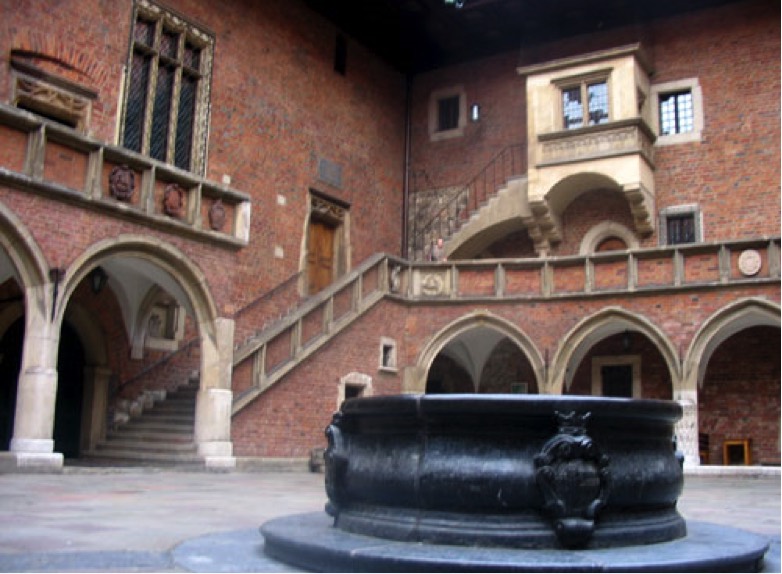
Collegium Maius, the oldest college of one of the oldest universities in the world.
Rebuilt at the end of the 15th century as a late-Gothic building around an arcaded courtyard, it now houses the University Museum. Copernicus studied here in the 1490s, and you can still see instruments he used to study astronomy.
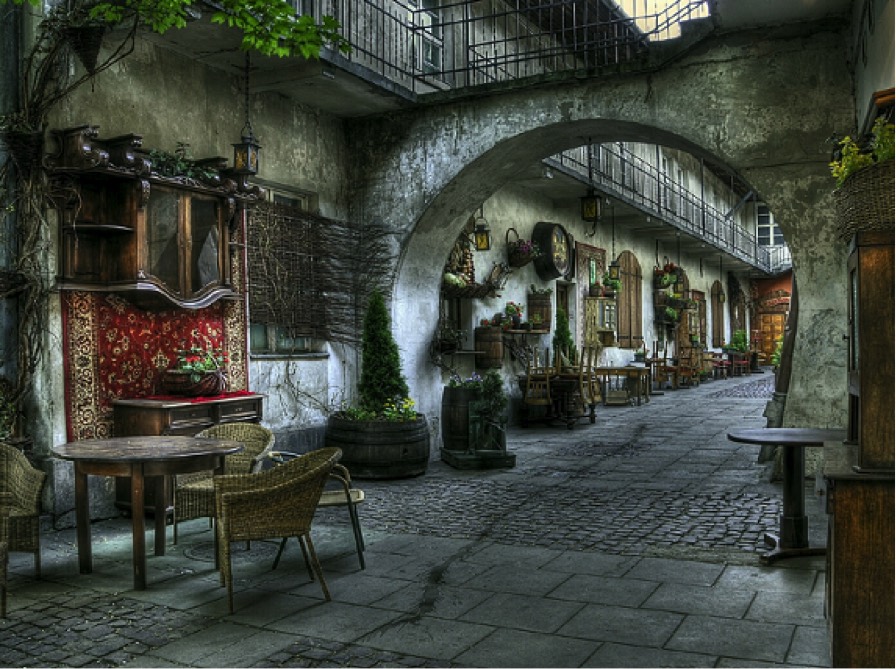
The old Jewish quarter, and for many locals the best area for an evening out.
For centuries Catholics and Jews lived side by side here. After the Second World War the district declined, until it was revitalised from the mid-1990s. Its two focal points are ul. Szeroka, with the Old Synagogue, and Plac Nowy, a small square with a flea market, bars and cafés.
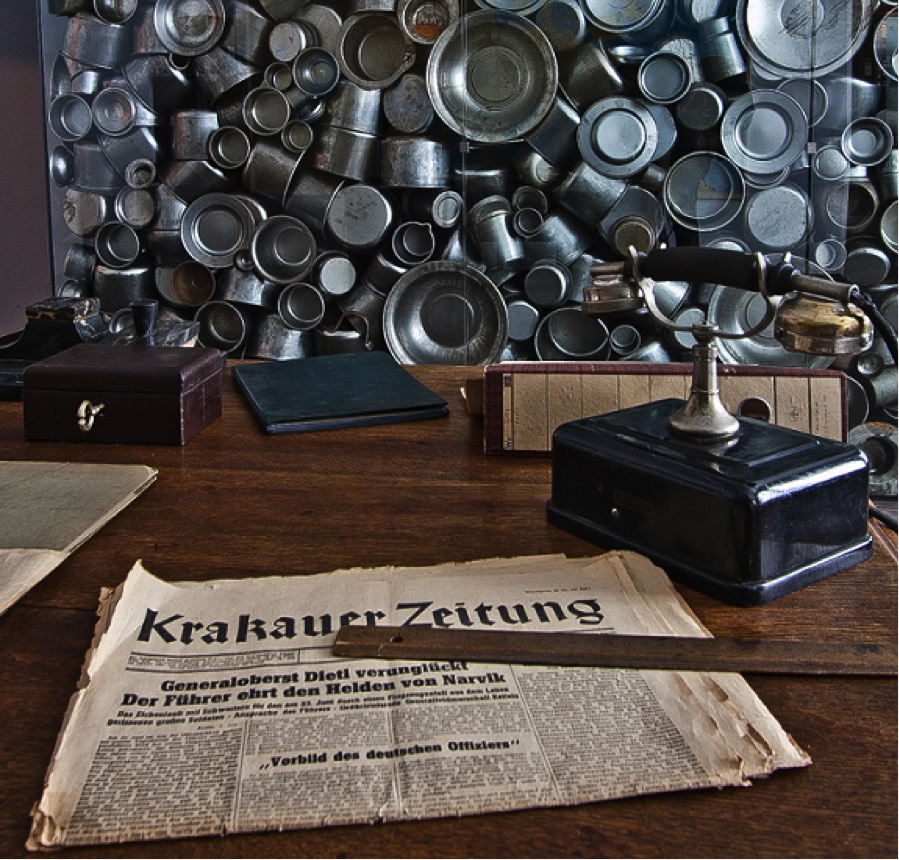
The exhibition “Kraków under Nazi Occupation 1939–1945”, at 4 Lipowa Street.
The exhibition tells the story of Kraków and its Polish and Jewish inhabitants during the Second World War, in the former office building of Oskar Schindler’s enamel factory. His preserved office and the “Survivors’ Ark”, made of thousands of enamel pots, are at its heart. Museum of Kraków
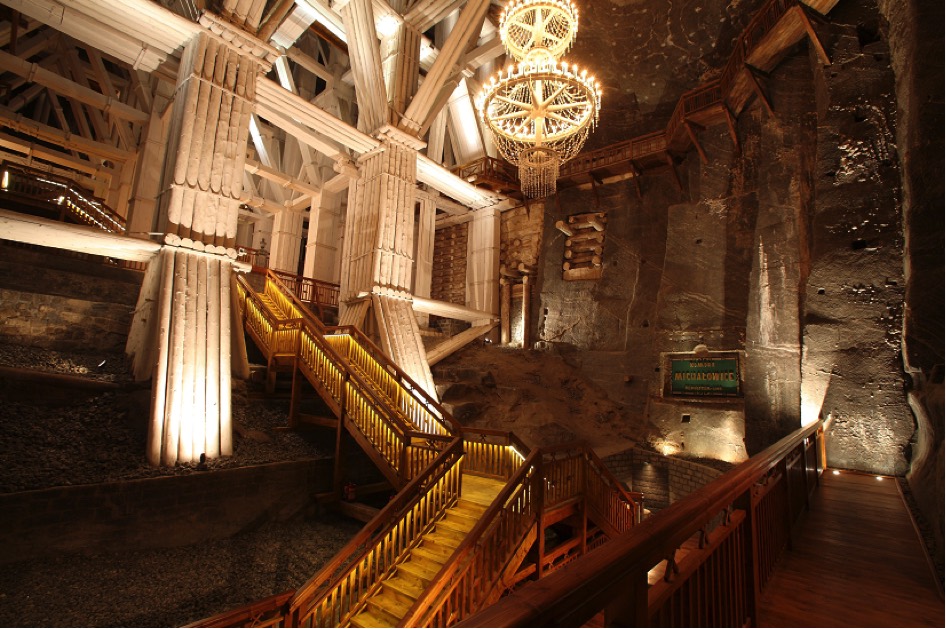
A UNESCO World Heritage site, mined continuously since the Middle Ages.
Around 300 km of tunnels reach a depth of 327 metres. Highlights are the crystal caverns and St Kinga’s Chapel, with sculptures and even chandeliers carved from rock salt. About 20 minutes by bus from the centre; the guided tour takes about 3 hours.
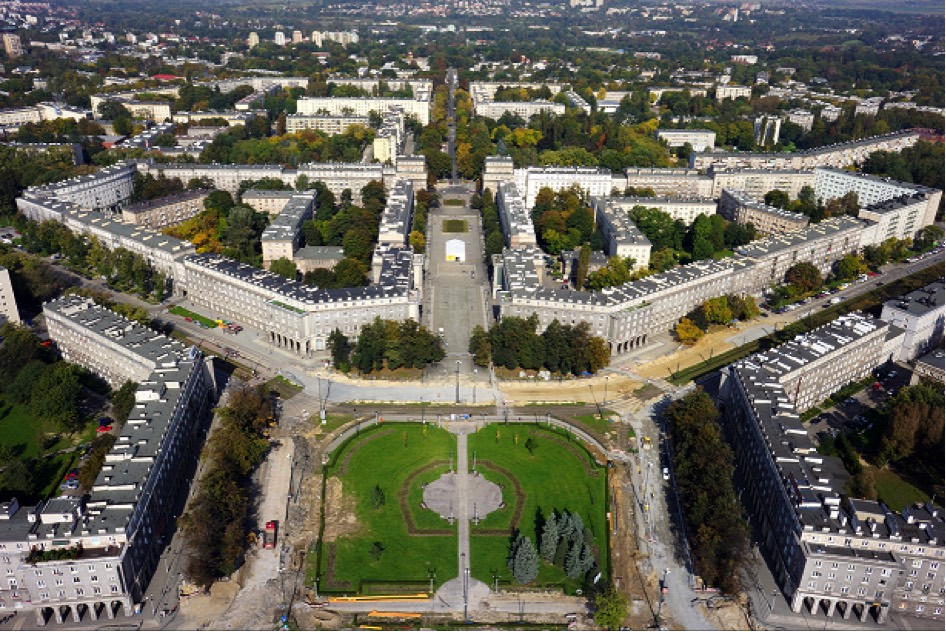
Kraków’s Socialist Realist new town: a living museum of the communist era.
Started in 1949 around a huge steelworks, the district mixes Renaissance, Baroque and Classical details with later Modernism. It is a short tram ride from the centre; Plac Centralny is the natural starting point. Today it attracts artists and hosts festivals such as Sacrum Profanum.
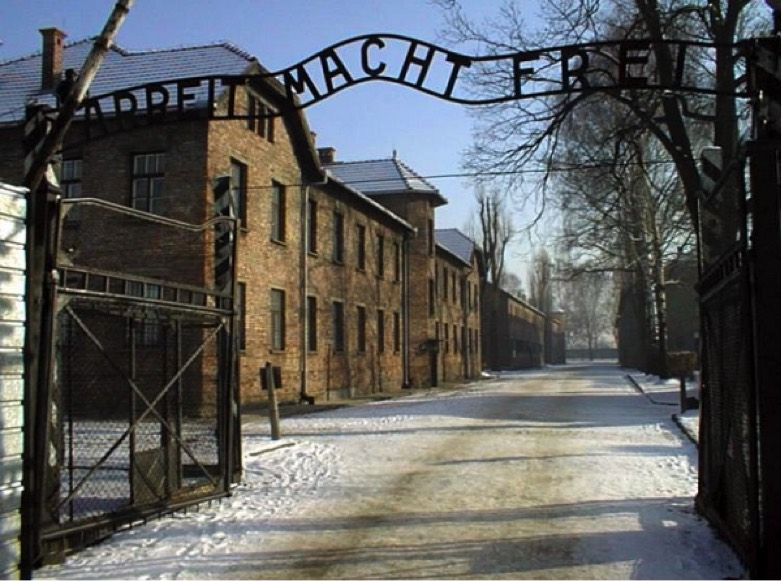
The memorial and museum in Oświęcim, just over 50 km west of Kraków.
The former Nazi concentration and extermination camp is preserved as a museum and memorial and receives over a million visitors a year. Allow a good three hours to visit both Auschwitz I and Auschwitz II-Birkenau. For many, it is a profoundly moving experience.
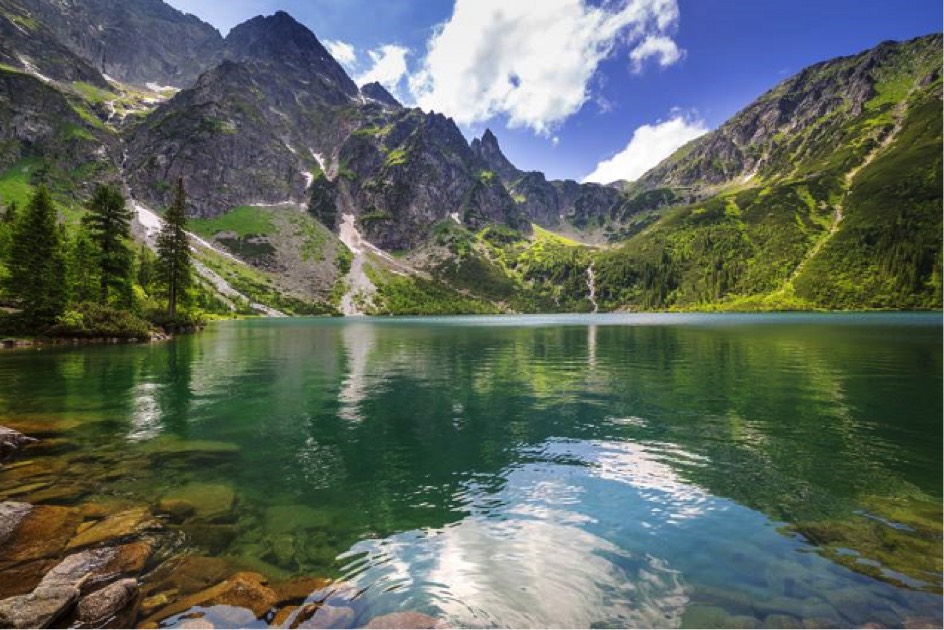
Peaks over 2,000 m, about two hours from Kraków by bus or train to Zakopane.
The Tatras, in the Tatra National Park, are perfect for hiking, or just a day trip to enjoy the views. An easy route leads to Morskie Oko, one of the most beautiful lakes in Europe (1,395 m): take a small bus from the centre of Zakopane and walk about 2.5 hours on a gentle, partly paved path.
Trams and buses make it easy to get around Kraków and to nearby Wieliczka. Punch your ticket as soon as you board. Tickets are sold at kiosks, ticket machines at most stops, and on board in newer trams and buses. Timetables: mpk.krakow.pl. Exploring the city by bike is a great alternative.
Exchange bureaus usually give better rates than banks: compare the rate displayed outside with the one offered inside before you change money. Kraków is a safe city, but during the tourist season keep the usual precautions.